Rubens A. C. Castro | Digital Visual Artist

Rubens A. C. Castro is a Digital Visual Artist with 26 years of research and generation of digital images using fractal algorithms. He holds a degree in Computer Technology from ITA — Instituto Tecnológico de Aeronáutica, Brazil’s most prestigious engineering institution. Creator of the Eco-Lógicas collection, exhibited at the Banco Central do Brasil, São Paulo, 2005. Based in Brazil, working at the intersection of mathematics, nature, and visual culture.

ECO-LÓGICAS — Rio São Francisco

"Series 01 of the Eco-Lógicas Collection"
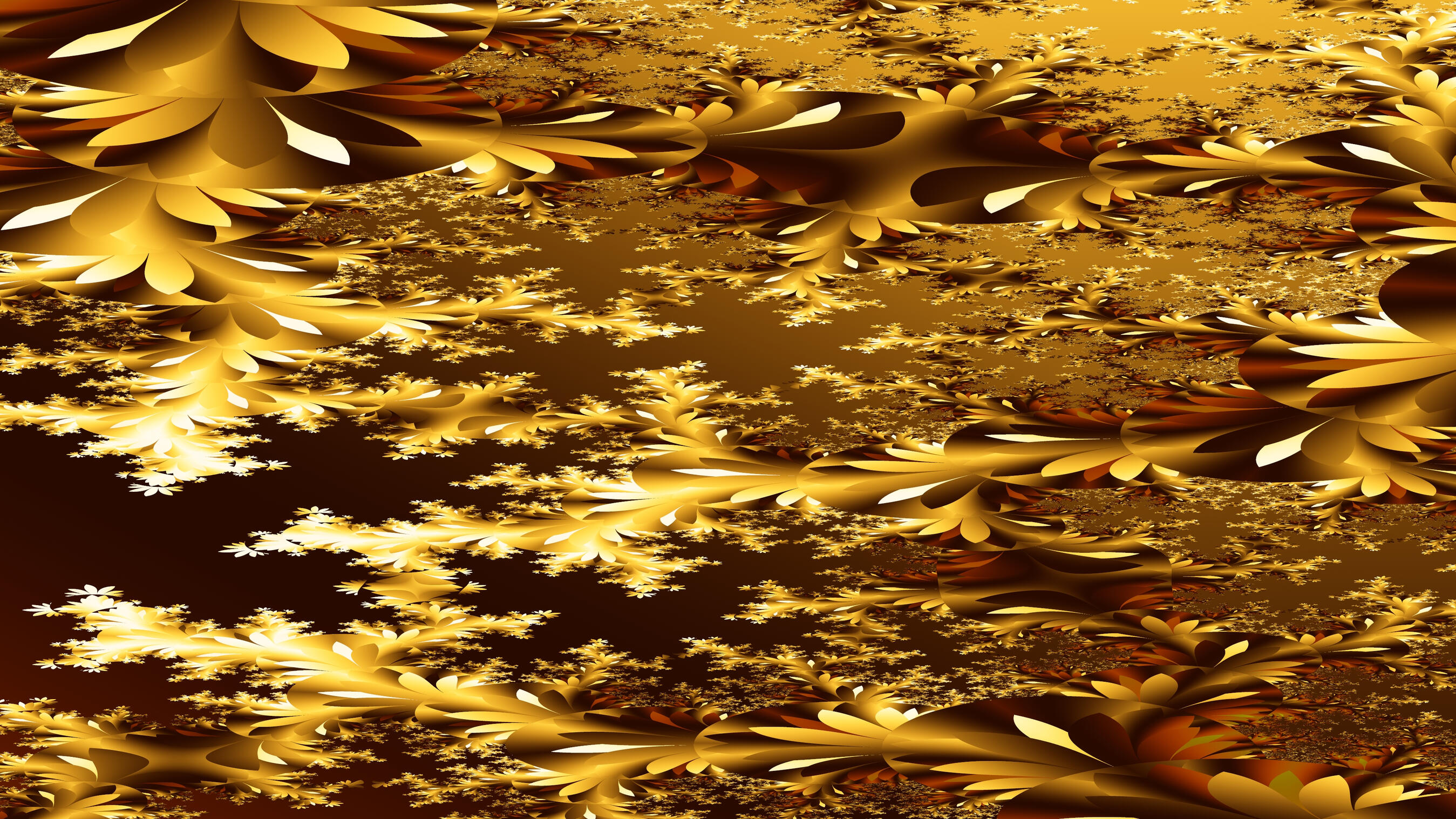
A collection twenty years in the making.
Eco-Lógicas was born in 2005, introduced to the world at the headquarters of the Banco Central do Brasil in São Paulo. From the beginning, it was never about decoration. It was about revealing what already exists — the hidden geometry of living systems, the mathematics that nature has always spoken, translated into digital art through fractal algorithms developed over more than two decades.
Now, for the first time, Eco-Lógicas arrives as a global digital collection, with each work certified on the Solana blockchain as a unique, unrepeatable object.
The river that built a continent.
The São Francisco River runs 2,900 kilometers through the heart of Brazil — from the mountains of Minas Gerais to the Atlantic coast. It is not simply a river. It is memory, territory, life. For millions of people it has always been o Velho Chico — the old companion, the border between worlds, the thread that connects the interior of Brazil to its origins.
This series follows that journey. Each of the 25 works traces a different moment along the river — its source, its silences, its violence, its light. Seven works in the series pay quiet tribute to the Indigenous peoples who have lived alongside the São Francisco for centuries and whose names most Brazilians have never heard: the Kambiwá, Kariri-Xocó, Tumbalalá, Xacriabás, Pancaré, Pipipã, and Kaimbé.
Not as a statement. As a debt acknowledged.
25 unique digital works.
Each piece in this series exists as a single edition — one work, one owner. There are no copies, no variants, no reprints. The NFT certificate registered on the Solana blockchain makes that fact permanent and incontestable.
The first collector of each work receives the complete high-resolution file — 300 dpi, ready for large-format printing up to 160 × 90 cm — along with the exclusive right to print on any medium. This right belongs only to the original buyer and does not transfer with resale.

"Obra da Série Rio São Francisco - - Serra da Canastra, por Rubens A. C. Castro - Arte Digital Fractal".

RIO SÃO FRANCISCO - SERRA DA CANASTRA

A principal nascente do rio São Francisco está localizada em São Roque de Minas, no Parque Nacional da Serra da Canastra.

"Obra da Série Rio São Francisco - Samburá, por Rubens A. C. Castro - Arte Digital Fractal".

RIO SÃO FRANCISCO - SAMBURÁ

Estudos técnicos com geoprocessamento e imagens de satélite, comprovaram que o Samburá é o curso d'água mais longo e com maior bacia a montante da confluência, caracterizando-o como o verdadeiro começo do São Francisco.

"Obra da Série Rio São Francisco - Kambiwá, por Rubens A. C. Castro - Arte Digital Fractal".

RIO SÃO FRANCISCO - KAMBIWÁ

O termo Kambiwá significa “retorno à Serra Negra”

"Obra da Série Rio São Francisco - Kariri-Xocó, por Rubens A. C. Castro - Arte Digital Fractal".

RIO SÃO FRANCISCO - KARIRI-XOCÓ

Os Kariri-Xocó estão localizados na região do baixo São Francisco, no município alagoano de Porto Real do Colégio, cuja sede fica em frente à cidade sergipana de Propriá.

"Obra da Série Rio São Francisco - Tumbalalá, por Rubens A. C. Castro - Arte Digital Fractal".

RIO SÃO FRANCISCO - TUMBALALÁ

Habitam o sertão de Pambú, uma área na margem baiana do sub-médio São Francisco.

"Obra da Série Rio São Francisco -Xacriabás, por Rubens A. C. Castro - Arte Digital Fractal".

RIO SÃO FRANCISCO - XACRIABÁS

Um dos poucos grupos indígenas que habitam o estado de Minas Gerais

"Obra da Série Rio São Francisco - Pancararé, por Rubens A. C. Castro - Arte Digital Fractal".

RIO SÃO FRANCISCO - PANCARARÉ

São descendentes da população indígena que originalmente habitava o trecho do rio São Francisco entre a cachoeira de Paulo Afonso, a embocadura do rio Pajeú e as caatingas, brejos e serras adjacentes

"Obra da Série Rio São Francisco - Pipipã, por Rubens A. C. Castro - Arte Digital Fractal".

RIO SÃO FRANCISCO - PIPIPÃ

Constituem uma das etnias historicamente habitantes da Serra Negra, Pernambuco.

"Obra da Série Rio São Francisco - Montes Claros, por Rubens A. C. Castro - Arte Digital Fractal".

RIO SÃO FRANCISCO - MONTES CLAROS

A região de Montes Claros integra o Alto São Francisco, área entre as nascentes e Pirapora, caracterizada por chuvas mais frequentes.

"Obra da Série Rio São Francisco - Pirapora, por Rubens A. C. Castro - Arte Digital Fractal".

RIO SÃO FRANCISCO - PIRAPORA

Destaca-se por ser o começo do trecho navegável do Rio São Francisco, a 340km ao norte de Belo Horizonte.

"Obra da Série Rio São Francisco - Juazeiro, por Rubens A. C. Castro - Arte Digital Fractal".

RIO SÃO FRANCISCO - JUAZEIRO

"Obra da Série Rio São Francisco - Petrolina, por Rubens A. C. Castro - Arte Digital Fractal".

RIO SÃO FRANCISCO - PETROLINA

O Rio São Francisco é vital para Juazeiro (BA) e Petrolina (PE), formando o Vale do São Francisco, uma região próspera impulsionada pela agricultura irrigada, turismo (passeios de barco, ilhas) e sendo conhecido como "Velho Chico", conectando essas cidades pela Ponte Presidente Dutra, sendo uma fonte de vida e identidade para a região

"Obra da Série Rio São Francisco - Paulo Afonso, por Rubens A. C. Castro - Arte Digital Fractal".

RIO SÃO FRANCISCO - PAULO AFONSO

Complexo Hidrelétrico (CHESF): Inaugurada em 1948, é uma das maiores hidrelétricas do Brasil, controlando o fluxo do rio e transformando sua força em energia, sendo uma grande atração turística.

"Obra da Série Rio São Francisco - Kaimbé, por Rubens A. C. Castro - Arte Digital Fractal".

RIO SÃO FRANCISCO - KAIMBÉ

Vivem no estado da Bahia, na Terra Indígena Massacará, município de Euclides da Cunha, entre as bacias do rio Itapicuru e do Vaza Barris.

"Obra da Série Rio São Francisco - Paulo Afonso, por Rubens A. C. Castro - Arte Digital Fractal".

RIO SÃO FRANCISCO - CAATINGA

O bioma semiárido que cobre a bacia do São Francisco — resiliente, ancestral, incompreendido. Uma paisagem que aprendeu a sobreviver com quase nada, e se tornou tudo.

"Obra da Série Rio São Francisco - Kaimbé, por Rubens A. C. Castro - Arte Digital Fractal".

RIO SÃO FRANCISCO - CABROBÓ

Cidade ribeirinha em Pernambuco onde o São Francisco curva e a caatinga encontra a água. Onde o rio desacelera, como se estivesse lembrando de algo.

"Obra da Série Rio São Francisco - Paulo Afonso, por Rubens A. C. Castro - Arte Digital Fractal".

RIO SÃO FRANCISCO - JACARÉ-DO-PAPO-AMARELO

O CAIMAN LATIROSTRIS - jacaré-do-papo-amarelo, guardião das áreas úmidas e corredores ripários do São Francisco. Antigo, sem pressa — observa o rio há mais tempo do que nós.

"Obra da Série Rio São Francisco - Kaimbé, por Rubens A. C. Castro - Arte Digital Fractal".

RIO SÃO FRANCISCO - MANDACARU

Cereus jamacaru — Mandacaru. O mandacaru, símbolo do sertão nordestino e sentinela das estações secas. Floresce à noite, na seca, como se a resistência fosse seu idioma nativo.

"Obra da Série Rio São Francisco - Paulo Afonso, por Rubens A. C. Castro - Arte Digital Fractal".

RIO SÃO FRANCISCO - LOBO GUARÁ

Chrysocyon brachyurus — Lobo-guará
O lobo-guará, viajante solitário do cerrado e das matas de galeria ao longo do São Francisco. Lobo demais para ser raposa. Raposa demais para ser lobo. Perfeitamente ele mesmo.

"Obra da Série Rio São Francisco - Kaimbé, por Rubens A. C. Castro - Arte Digital Fractal".

RIO SÃO FRANCISCO - CARNAÚBA

Copernicia prunifera — Carnaúba. A palmeira carnaúba, nativa do semiárido nordestino — fonte de cera, abrigo e memória. Cada parte dela é útil. A terra sabia disso antes de nós.

"Obra da Série Rio São Francisco - Paulo Afonso, por Rubens A. C. Castro - Arte Digital Fractal".

RIO SÃO FRANCISCO - ONÇA-PINTADA

Panthera onca — Onça-pintada. Predador apex e pedra angular ecológica das matas remanescentes do São Francisco. Onde a onça caminha, a floresta ainda está inteira.

"Obra da Série Rio São Francisco - Kaimbé, por Rubens A. C. Castro - Arte Digital Fractal".

RIO SÃO FRANCISCO - PIAÇABUÇU (AL)

A foz do São Francisco, em Alagoas — onde o rio finalmente encontra o Atlântico.
Quatro estados, dois mil quilômetros, um longo suspiro no mar.

"Obra da Série Rio São Francisco - Paulo Afonso, por Rubens A. C. Castro - Arte Digital Fractal".

RIO SÃO FRANCISCO - MANGA

MANGIFERA indica — mangueira, trazida por oceanos e enraizada fundo na cultura ribeirinha do São Francisco. Não é nativa, mas é amada — algumas chegadas viram casa.

"Obra da Série Rio São Francisco - Kaimbé, por Rubens A. C. Castro - Arte Digital Fractal".

RIO SÃO FRANCISCO - RHEA americana — Ema

A ema, maior ave da América do Sul, percorre as margens de cerrado do São Francisco. Não voa. Não precisa. A terra é larga o suficiente.

"Obra da Série Rio São Francisco - Kaimbé, por Rubens A. C. Castro - Arte Digital Fractal".

RIO SÃO FRANCISCO - PITAYA

A pitaya, vívida e noturna, encontrada nas zonas semiáridas da bacia do São Francisco. Abre uma vez, à noite, por poucas horas — e isso é suficiente.

Para conhecer mais sobre as comunidades que inspiram esta coleção, visite o portal Povos Indígenas no Brasil.

Povos Indígenas no Brasil

Currículo Artístico e Trajetória Profissional

2025
Participação no V Prêmio Arte e Literatura USP 60+
2024
Participação no IV Prêmio Arte e Literatura USP 60+
2019
Monochrome Awards 2019 – Abstract Honorable Mentions (Amateur)
https://monoawards.com/winners-gallery/monochrome-awards-2019/amateur/abstract/hm/112212017
Participação no 5º Salão de Outono da América Latina
2015
Participação no 3º Salão de Outono da América Latina
2013
Participação no 1º Salão de Outono da América Latina
2006Participação no painel AVIDA, do Grupo Art Life Brasil para a nova ala do Instituto Dante Pazzanese de Cardiologia, São Paulo, SP, fevereiro.2005Pioneiro na impressão de imagens digitais sobre aço inox com
polimento espelhado.
Exposição individual “Eco-lógicas”, Espaço Cultural do Banco Central
do Brasil, São Paulo – SP, julho.
Exposição coletiva “Cardápios Únicos”, Hotel Mélia Confort –
Higienópolis, São Paulo, SP, fevereiro;
Participação no Concurso internacional “the MOCA digital art contest 2005”, Museum of Computer Art , New York, USA, Janeiro;2004Exposição individual beneficente em prol da AbrELA, “Cubos – obras de arte social”, Cultural Blue Life, São Paulo – SP, Novembro;Exposição coletiva “Independência”, Casa da Fazenda do Morumbi, São Paulo, SP, Setembro;Exposição coletiva “I Congresso Mundial de Gestão Coletiva de Direito Autoral” da AUTVIS, Cultural Blue Life, São Paulo, SP, Setembro;Exposição coletiva do “Dia Nacional das Artes”, em conjunto com a exposição de obras e giclées do pintor Aldemir Martins, Casa da Fazenda do Morumbi, São Paulo, SP, agosto/setembro;Participação no “X Concurso de Artes Livre Saint Germain”, Maison
Saint Germain, São Paulo, SP, agosto;
Exposição individual “Azul 45 – formas e cor”, Mercearia São Roque, São Paulo, SP, Junho/2004;Exposição individual “Binários – da razão à emoção”, Hotel Mélia
Confort – Higienópolis, São Paulo, SP, Junho/2004;
“the MOCA digital art contest 2004”, Museum of Computer Art , New York, USA – abril/2004;2003Participação no “IX Concurso de Artes Livre Saint Germain”, Maison
Saint Germain, São Paulo, SP, agosto/2003;
PrêmiosMedalha de Ouro no “I Salão Nacional G. Matteo de Arte”, na Casa de Portugal, São Paulo, SP, 2005, com a obra “TR I 049”, categoria Arte Digital.Medalha de Prata no “X Concurso de Artes Livre Saint Germain”, na
Maison Saint Germain, 2004, São Paulo, SP, conferida pela Academia
de Letras e Artes de Paranapuã” aos melhores artistas do Salão, com a obra “CR 002”;
Medalha de Prata no “IX Concurso de Artes Livre Saint Germain”, na
Maison Saint Germain, 2003, São Paulo, SP, com a obra – “Número
008”, na categoria Arte Digital;

About the artist

Rubens A. C. Castro is a Digital Visual Artist with 26 years of research and generation of digital images using fractal algorithms. He holds a degree in Computer Technology from ITA — Instituto Tecnológico de Aeronáutica, Brazil’s most prestigious engineering institution. Creator of the Eco-Lógicas collection, exhibited at the Banco Central do Brasil, São Paulo, 2005. Based in Brazil, working at the intersection of mathematics, nature, and visual culture.

Emerald Forest is that geometry, finally named.

The Emerald Forest Collection was born from a single, continuous panoramic canvas — one hundred images flowing into each other like a slow walk through an ancient woodland at dusk. From that original expanse, twenty-five works were extracted, each carrying the memory of the whole.
Rendered in 4K resolution, these pieces are designed for deep attention: to quiet the noise of a room, to soften the edges of a long day, to bring the forest indoors.

25 unique digital works.

Each of the 25 works in this series is tied to a specific place — a mountain range, a forest, a protected territory, a landscape that carries its own history. From the Amazon and the Atlantic Forest to the mineral wealth of Carajás and the overwhelming beauty of Iguaçu, the series maps Brazil's natural heritage through the language of fractal geometry.
Each piece exists as a single edition — one work, one owner. There are no copies, no variants, no reprints. The NFT certificate registered on the Solana blockchain makes that fact permanent and incontestable.
The first collector of each work receives the complete high-resolution file — 300 dpi, ready for large-format printing up to 160 × 90 cm — along with the exclusive right to print on any medium. This right belongs only to the original buyer and does not transfer with resale.

FLORESTA AMAZÔNICA · Northern Brazil — AM, PA and other states

River of the Amazons - The largest tropical rainforest on Earth, spanning over 5 million km². It produces 20% of the planet's oxygen and harbors 10% of all known species on Earth. The Solimões and Negro rivers cut through its vastness with waters of contrasting colors — a silent battle between clay and darkness that has fascinated scientists for centuries.
ALTO DO RIBEIRA · Vale do Ribeira — SP and PR

The Alto Ribeira Tourist State Park (PETAR) shelters Brazil's largest limestone cave system — over 300 catalogued grottos, some with stalactite formations thousands of years old. The surrounding forest is one of Brazil's most continuous Atlantic Forest fragments, preserved in part by the isolation that the karst landscape imposes on human settlement.
ANAVILHANAS · Rio Negro — Amazonas

The world's largest freshwater river archipelago, with over 400 islands along the Rio Negro. A UNESCO World Heritage Site as part of the Central Amazon Conservation Complex. During the flood season, the islands vanish beneath the dark waters — and an entire forest lives submerged for months, adapted to a rhythm that defies any earthly logic.
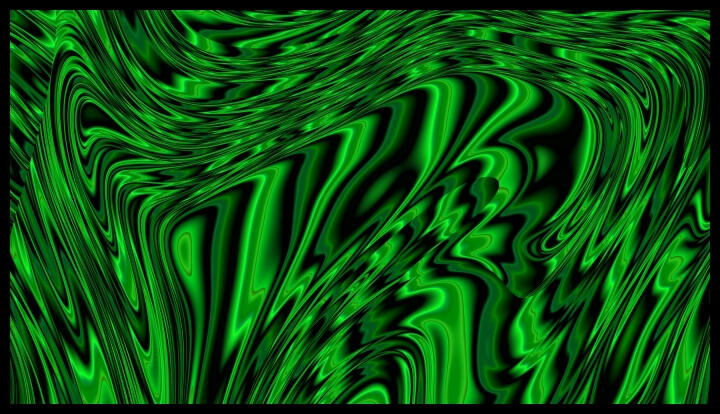
Origin: Portuguese — from the 'cântaros' (water jugs) used by colonial muleteers in the 16th and 17th centuries One of the world's largest urban forests, rising 300 meters above the metropolis that surrounds it. Its name comes from the colonial muleteers w

ARAUCÁRIA - Southern Brazilian Plateau — PR, SC and RS

from the language of the Arauco indigenous people. The Araucaria forest — or Pine Forest — is southern Brazil's original biome, now reduced to less than 3% of its original extent. The Paraná pine tree, with its inverted-umbrella silhouette, is one of Brazil's most ancient and iconic trees. Its seeds fed indigenous peoples for millennia and are still harvested today in the traditions of plateau communities.
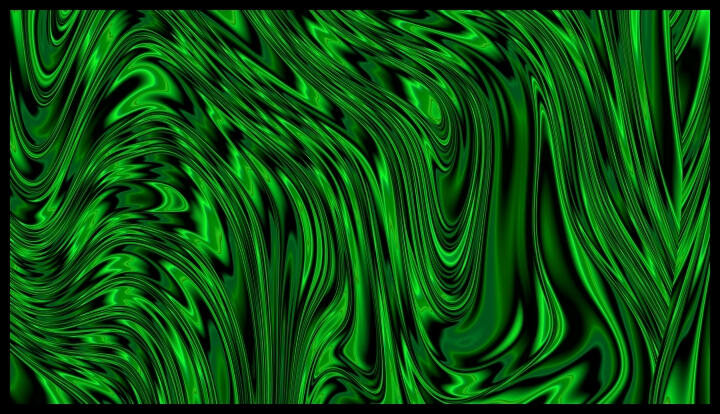
CAXINUANÃ · Melgaço — Pará

Origin: Tupi — possibly 'place of the caxiúba palms. One of the Amazon's largest extractive reserves, bathed by the Caxiuanã river and bay. It houses the Ferreira Penna Scientific Station, one of the world's leading Amazonian research centers. Its floodplain and upland forests coexist with dark-water streams and a biodiversity that still holds species unknown to science.
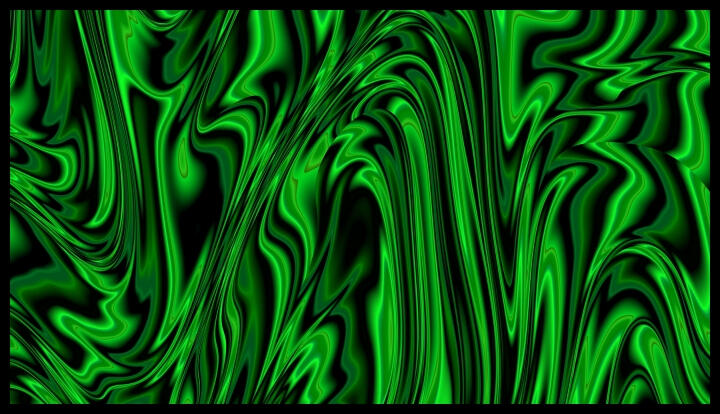
FLORESTA DA TIJUCA · Rio de Janeiro — RJ

The largest urban national park in Brazil, nestled in the heart of Rio de Janeiro. Originally devastated by coffee cultivation in the 19th century, it was reforested by order of Emperor Dom Pedro II from 1862 onwards — one of the world's first environmental restoration projects. It shelters over 1,550 plant species, hidden waterfalls, historic ruins, and the Christ the Redeemer statue within its boundaries.
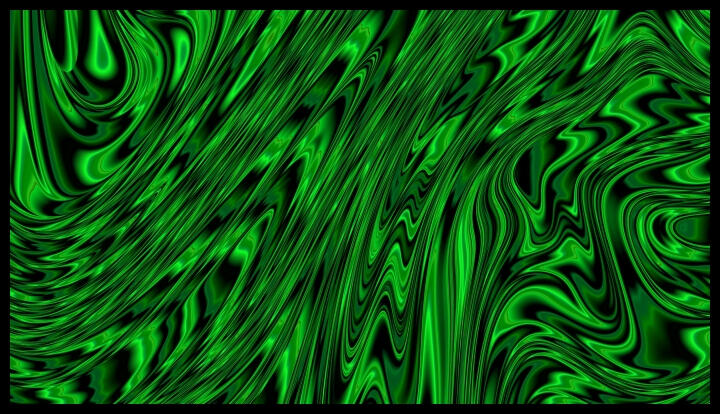
Origin: Portuguese — from the 'cântaros' (water jugs) used by colonial muleteers in the 16th and 17th centuries One of the world's largest urban forests, rising 300 meters above the metropolis that surrounds it. Its name comes from the colonial muleteers w

IGUAÇU · Origin: Tupi — 'great water' or 'great river'

A UNESCO Natural World Heritage Site, Iguaçu National Park shelters the world's widest waterfall system — 275 individual falls spanning nearly 3 km. The surrounding forest is a precious remnant of the interior Atlantic Forest, home to 2,000 plant species and over 400 bird species, including the great blue macaw.
JAÚ · Novo Airão — Amazonas

Brazil's largest national park by continuous tropical forest area, spanning 2.3 million hectares. A UNESCO World Heritage Site, its ecosystem remains virtually intact. The Jaú River flows with black waters — stained by organic acids from decomposing matter — in a silence that only the Amazon rainforest is capable of producing.
ITATIAIA · Serra da Mantiqueira — RJ and MG

Brazil's oldest national park, established in 1937 by President Getúlio Vargas. Located in the Mantiqueira mountain range, it shelters Pico das Agulhas Negras, the country's third highest peak. Its high-altitude forests, highland meadows, and misty valleys create a landscape that shifts between the tropical and the almost alpine.
JAVARI · Atalaia do Norte — Amazonas

The Javari Valley harbors the world's largest concentration of uncontacted indigenous peoples — groups who have chosen to live without contact with outside civilization. Its forest is therefore one of the last truly untouched forests on Earth: protected not only by law, but by the will of the peoples who have inhabited it since time immemorial.
Origin: Portuguese — from the 'cântaros' (water jugs) used by colonial muleteers in the 16th and 17th centuries One of the world's largest urban forests, rising 300 meters above the metropolis that surrounds it. Its name comes from the colonial muleteers w

JURÉIA · Iguape — São Paulo

The Juréia-Itatins Ecological Station is one of São Paulo state's largest and best-preserved Atlantic Forest remnants. Its geographical isolation — wedged between the ocean and the Paranapiacaba mountain range — shielded its forest from agricultural expansion. It shelters traditional caiçara communities who have lived in symbiosis with the forest for generations.
MATA ATLÂNTICA · Brazilian Coast — from RN to RS

One of the richest and most threatened biomes on Earth. Originally covering 15% of Brazil's territory, less than 12% of its original cover remains today. It shelters over 20,000 plant species and is home to animals such as the golden lion tamarin and the puma. Every fragment that persists is nature's quiet victory over human encroachment.
MAMIRAUÁ · Tefé — Amazonas

Brazil's first Sustainable Development Reserve, created to reconcile conservation with the lives of riverside communities. During the flood season, half of its forest lies submerged under up to 12 meters of water — and trees, monkeys, and river dolphins coexist in an aquatic-terrestrial ecosystem with no equivalent anywhere in the world.
PICO DA NEBLINA · São Gabriel da Cachoeira — Amazonas

Brazil's highest point, at 2,994 meters, permanently shrouded in the clouds that gave it its name. Located on the Venezuelan border within Yanomami indigenous territory, access requires special authorization. The forest on its slopes shelters species that have never descended to river level — an isolated world suspended above the clouds.
Origin: Portuguese — from the 'cântaros' (water jugs) used by colonial muleteers in the 16th and 17th centuries One of the world's largest urban forests, rising 300 meters above the metropolis that surrounds it. Its name comes from the colonial muleteers w

SERRA DA BOCAINA · SP/RJ border

Between sea and mountain, Serra da Bocaina National Park preserves the meeting point of the Mantiqueira highland forest and the coastal Atlantic Forest. The Gold Trail — a colonial path that once linked the gold mines to the port of Paraty — crosses its forest like a living historical scar. From its peaks, the vast blue expanse of Ilha Grande Bay unfolds below.
SERRA DA CANTAREIRA · Northern São Paulo — SP

One of the world's largest urban forests, rising 300 meters above the metropolis that surrounds it. Its name comes from the colonial muleteers who stored its spring water in clay jugs — and it still supplies São Paulo today. A UNESCO Biosphere Reserve, it is the green lung of one of the planet's largest cities.
SERRA DA CANGALHA · Campos Lindos — Tocantins

One of Brazil's most mysterious geological formations: a meteorite impact crater 13 km in diameter, blanketed by cerrado savanna and gallery forest. The isolation of the Serra da Cangalha crater has created a unique microenvironment, where species from different biomes coexist within a perfect circle — a mark left by the cosmos upon the Brazilian forest.
SERRA DO CIPÓ · Greater Belo Horizonte — MG

A national park nestled in the Espinhaço mountain range, where the Atlantic Forest and the Cerrado savanna meet in a unique embrace. Its waterfalls and natural pools are fed by the Cipó River, whose crystal-clear waters flow down quartzite trails. Home to the maned wolf and giant anteater, it is one of Minas Gerais' most beloved sanctuaries.
Origin: Portuguese — from the 'cântaros' (water jugs) used by colonial muleteers in the 16th and 17th centuries One of the world's largest urban forests, rising 300 meters above the metropolis that surrounds it. Its name comes from the colonial muleteers w

SERRA DO MAR · Coast of SP, RJ and PR

One of the largest and most continuous stretches of Atlantic Forest still preserved, extending over 1,500 km along the Brazilian coast. The Serra do Mar acts as a natural barrier that captures ocean moisture and feeds rivers supplying millions of people. Its green-covered rock walls are among Brazil's most dramatic natural landscapes.
TAPAJÓS · Itaituba — Pará

The first national park established within the Amazon biome, along the rapids of the Tapajós River. Its emerald-colored waters — rare in the Amazon, where muddy or black rivers predominate — form white-sand beaches that emerge during the dry season. It shelters over 30 pre-Columbian archaeological sites, remnants of peoples whose stories still await to be fully told.
VALE DO RIBEIRA · Southern SP and Northern PR

The Ribeira Valley harbors Brazil's largest continuous stretch of Atlantic Forest, yet also ranks among São Paulo state's lowest human development indices — a contradiction that reveals how the preservation of nature so often goes hand in hand with the isolation and neglect of the communities that protect it.
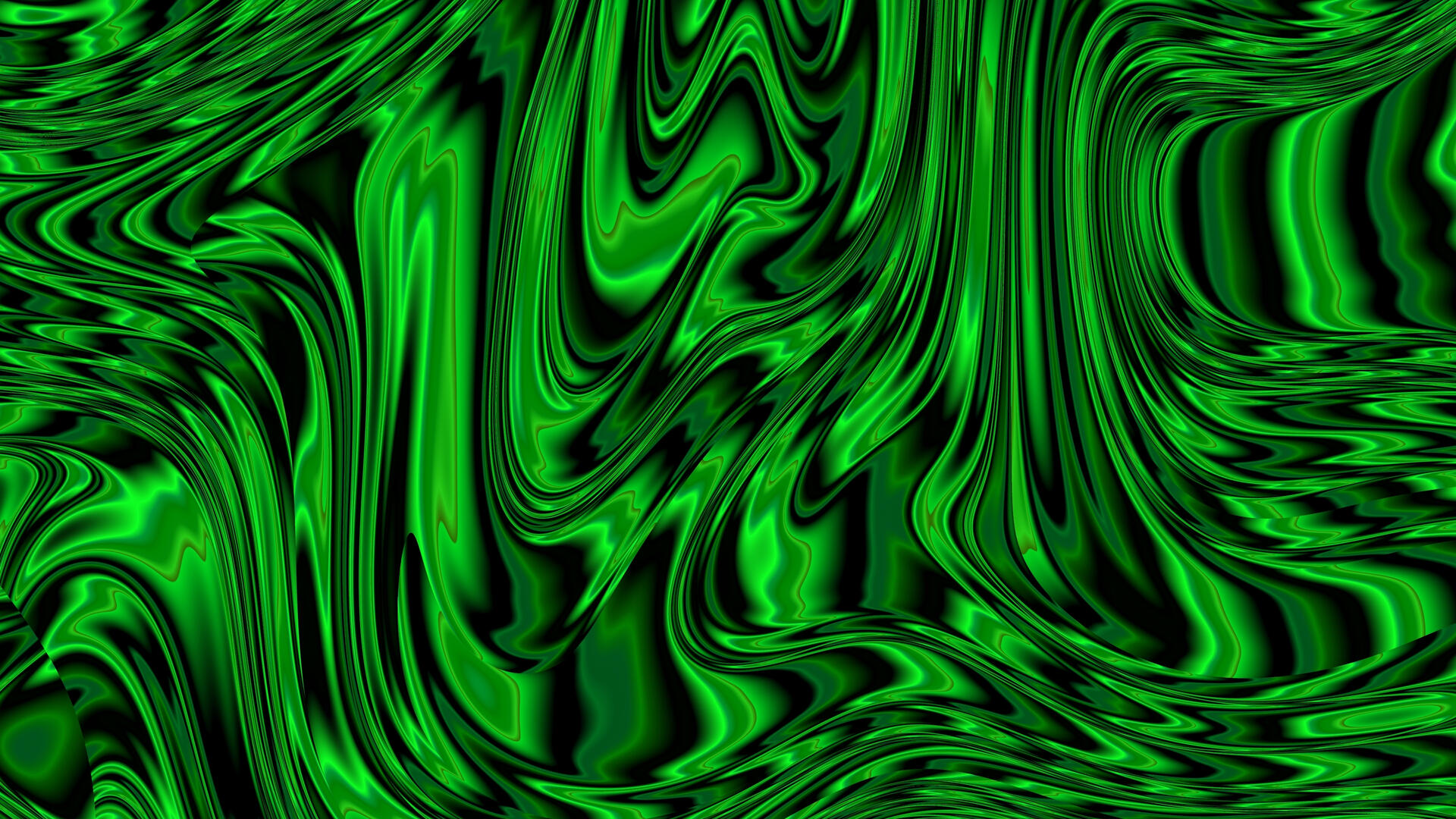
ITATINS · Miracatu — São Paulo

Part of the Juréia-Itatins Ecological Station, the Itatins mountain range is a green wall separating the southern São Paulo coast from the plateau. Its dense rainforest — humid, thick, and permanently green — is one of São Paulo's last strongholds of primary Atlantic Forest, where sunlight rarely reaches the forest floor.
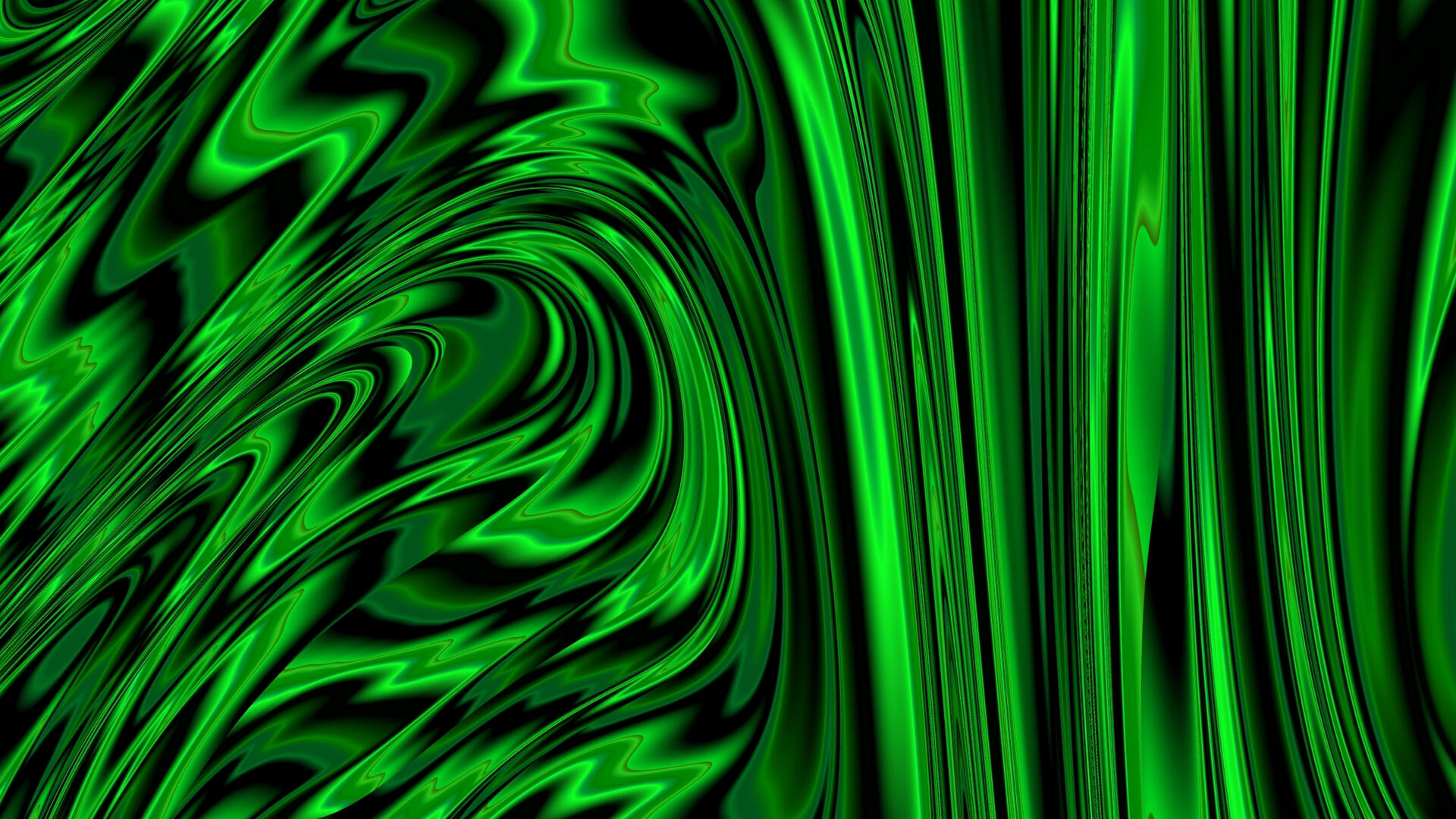
SUPERAGUI · Guaraqueçaba — Paraná

The Uatumã Biological Reserve is one of the Amazon's largest fully protected reserves, created to offset the ecological impacts of the Balbina hydroelectric dam. Its isolation between the artificial lake and the continuous forest inadvertently created a unique natural laboratory for studying the effects of forest fragmentation on biodiversity.
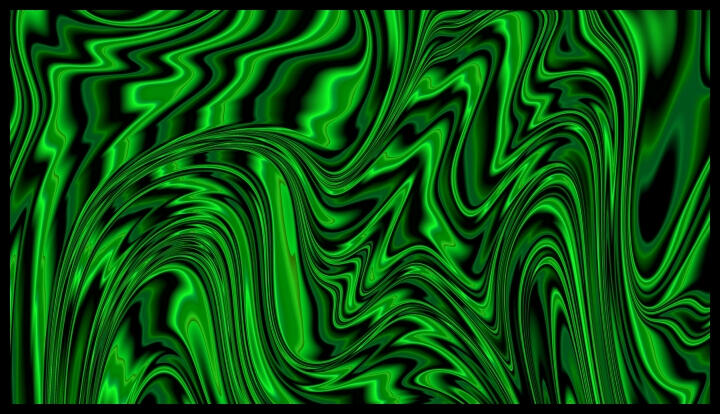
UATUAMÃ · São Sebastião do Uatumã — Amazonas

The Uatumã Biological Reserve is one of the Amazon's largest fully protected reserves, created to offset the ecological impacts of the Balbina hydroelectric dam. Its isolation between the artificial lake and the continuous forest inadvertently created a unique natural laboratory for studying the effects of forest fragmentation on biodiversity.
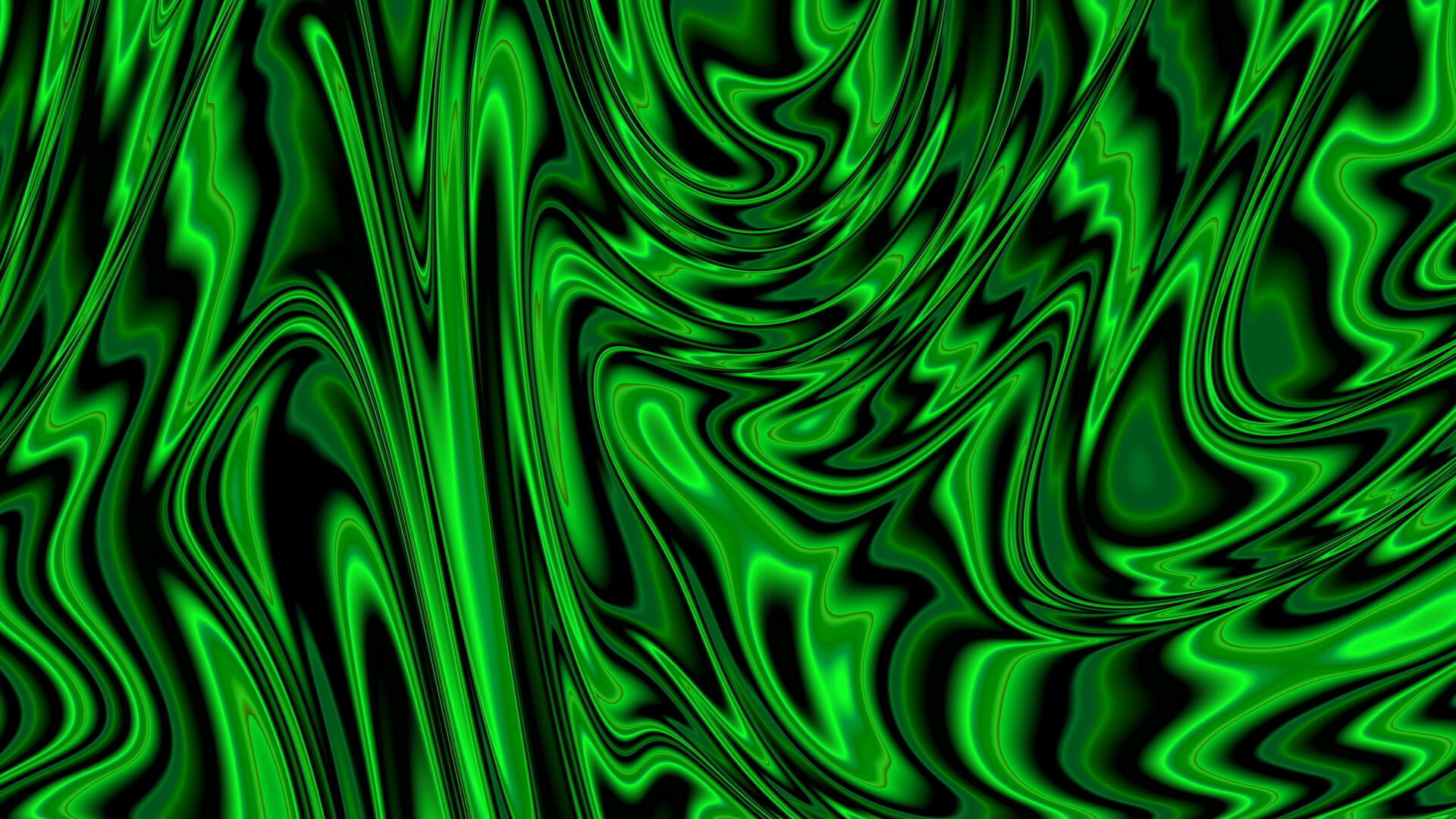
CARAJÁS · Marabá — Pará

The Carajás mountain range conceals a magnificent contradiction: above the world's largest iron ore deposit grows a highland rocky-field forest found nowhere else in Brazil. The so-called 'canga forests' — vegetation that sprouts directly from iron-rich rock — form an ecosystem found in very few places on Earth, harboring endemic species that exist nowhere else.

Contact Form